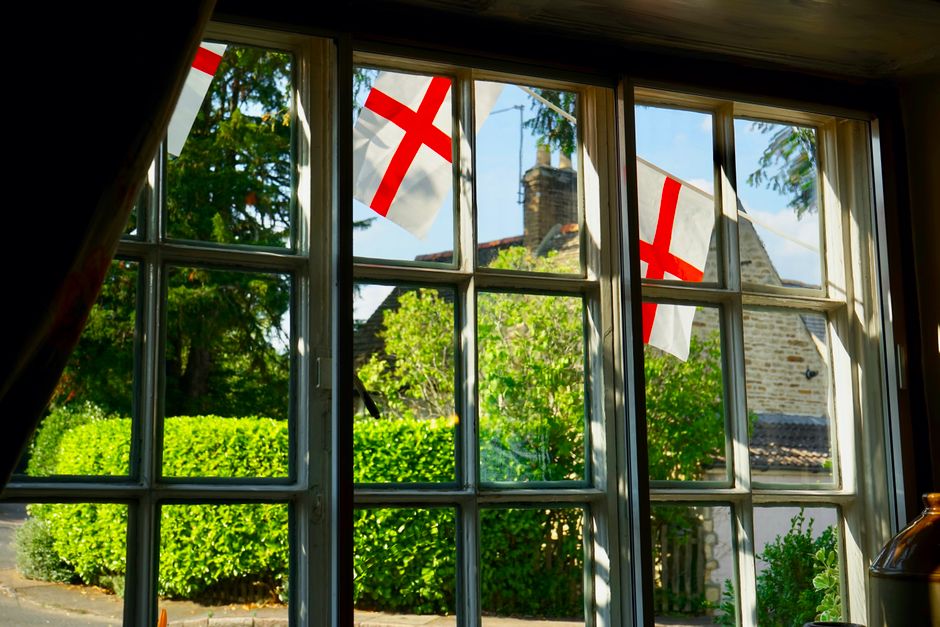
Pexels – Behnam khoramshahi
More than two-thirds of England now in drought. 2026년 8월 8일, 영국 환경청(Environment Agency)은 잉글랜드 전역에서 가뭄 상태가 대폭 확대되었음을 공식 발표했다. 이날 오전, 이스트 미들랜즈(East Midlands), 링컨셔(Lincolnshire)와 노샘프턴셔(Northamptonshire), 켄트(Kent)와 이스트 서식스(East Sussex), 그리고 솔렌트(Solent)와 사우스 다운스(South Downs) 지역이 새롭게 가뭄 등급으로 격상되면서, 이제 잉글랜드 국토의 3분의 2 이상이 공식적인 가뭄 지대에 포함됐다. More than two-thirds of England now in drought라는 이 충격적인 소식은 단순한 기상 이변을 넘어, 한 국가의 생태계·경제·사회 시스템 전반을 뒤흔드는 재난적 사건이다. 잉글랜드의 하늘은 올봄부터 좀처럼 비를 내리지 않았고, 지난 7월 기록적인 폭염이 이어지면서 하천과 저수지, 그리고 지하수면은 20년 만에 최악의 수준으로 고갈되고 있다. 이번 발표로 2022년의 악몽이 재현됐을 뿐 아니라, 그때보다도 더욱 광범위하고 심층적인 위기가 현실화되고 있음이 확인됐다.
2026년 오늘, 전 세계 언론은 앞다퉈 “More than two-thirds of England now in drought”라는 부도 수식어로 영국을 조명하고 있다. 하지만 이 위기는 어제오늘의 일이 아니다. 영국은 1976년 대가뭄 이후 꾸준히 물 스트레스가 증가해왔고, 2018년, 2022년, 2025년 잇따른 건조기와 폭염은 국토의 수문학적 복원력을 심각하게 약화시켰다. 2026년은 그 정점인 셈이다. 본격적인 분석에 앞서 먼저 환경청의 공식 발표 내용을 자세히 들여다보자. 이스트 미들랜즈와 링컨셔, 노샘프턴셔는 농업용수 의존도가 절대적인 곡창지대다. 이곳이 가뭄 상태로 지정됐다는 것은 올가을 수확이 이미 상당 부분 실패했음을 의미한다. 켄트와 이스트 서식스는 런던의 식수원인 동시에 주요 과수·채소 재배지다. 솔렌트와 사우스 다운스는 생태학적으로 민감한 백악질 하천과 습지가 밀집한 곳으로, 이미 여러 지류에서 물고기 폐사가 보고되고 있다. 이 네 개의 지리적 블록이 동시에 가뭄에 편입되면서, More than two-thirds of England now in drought라는 표현은 통계적 사실을 넘어 국가 비상사태를 공식화한 선언이 됐다.
환경청은 가뭄 등급을 ‘정상’, ‘장기간 건조’, ‘가뭄’, ‘심각한 가뭄’의 네 단계로 분류하는데, 이번 조치는 세 번째인 ‘가뭄’ 단계다. 이는 이미 지역 사회와 산업에 실질적인 영향이 발생하고 있으며, 상수도 회사들이 강제적인 사용 제한에 돌입할 수 있고, 농작물 피해가 광범위하게 나타나고 있음을 공식 인정한 것이다. 이미 잉글랜드 북서부, 요크셔, 템스밸리를 비롯한 여러 권역이 2025년 말부터 가뭄 상태였기에, 이날 추가 지정으로 드디어 ‘More than two-thirds of England now in drought’라는 불명예
**More Than Two-Thirds of England Now in Drought: The 2026 Water Crisis Unfolds**
In July 2026, the Environment Agency confirmed what millions of residents already knew: more than two-thirds of England now in drought. It is the most severe water shortage the country has faced since the legendary summer of 1976, and in some regions, conditions are even more extreme. Rivers have dwindled to trickles, reservoir levels have plunged to historic lows, and farmers are watching their crops wither in the fields. With heatwaves becoming the new normal and the driest spring on record still fresh in memory, the question is no longer *if* the drought will worsen, but how we will cope – and what must change to ensure it never gets this bad again.
This grim milestone did not arrive overnight. It is the product of decades of rising temperatures, under-investment in water infrastructure, and a collective reluctance to treat water as the precious, finite resource it truly is. As the Environment Agency extends drought status across ten of its fourteen operational areas – encompassing East Anglia, the Thames Valley, the South East, the Midlands, and parts of Yorkshire – we are at a crossroads. This in-depth report explores the background, the shocking 2026 data, the voices of those on the front line, and the practical steps every household can take right now to ride out the crisis.
—
### A History on Repeat: Why England Keeps Drying Out
To understand the weight of “more than two-thirds of England now in drought”, we must look back. The UK has a long, punctuated history of water shortages. The summer of 1976 remains etched in the national psyche: sixteen consecutive days above 30°C, standpipes in the streets, and a green and pleasant land turned golden-brown. In the years since, significant droughts have struck in 1989, 1995, 2006, 2011, 2018, and 2022. Each event was initially presented as an anomaly, a once-in-a-generation freak of nature. Yet the intervals between them are shrinking. A major drought that would once occur every 25–30 years now arrives every 5–7 years. By 2026, climate scientists warn that what was once exceptional is well on its way to becoming ordinary.
The root causes are twofold. First, a warming climate is altering weather patterns. The jet stream is becoming more sluggish and erratic, trapping high‑pressure systems over the UK for weeks at a time. This delivers the long, cloudless days that turn spring into summer without the life-giving rain the land needs. Second, England’s water management system – designed in the Victorian era and patched up ever since – is struggling to keep pace with a population that has grown by over 10 million since the 1970s. Leakage rates remain stubbornly high; some water companies still lose more than 20% of their treated water through crumbling pipes. New reservoirs, the kind that could buffer society against dry spells, have been politically almost impossible to build for three decades. Add to this the relentless concreting of
📌 글을 마치며: More than two-thirds of England now in drought이 우리에게 던지는 질문
지금까지 More than two-thirds of England now in drought에 대해 깊이 있게 살펴보았습니다. (2026년 08월 08일 기준)
핵심 포인트:
- ✅ 이 주제는 우리 일상과 밀접한 관련이 있습니다
- ✅ 지속적인 관심과 실천이 중요합니다
- ✅ 작은 변화가 큰 차이를 만듭니다
여러분은 이 주제에 대해 어떻게 생각하시나요? 댓글로 의견을 공유해 주세요.
앞으로도 유용한 정보로 찾아뵙겠습니다. 지금까지 읽어주셔서 감사합니다. 🙏
다음 포스팅에서 만나요! 🚀
🏠 에어비앤비 특가 숙소
🛍️ 함께 보면 좋은 상품
🛍️ 쿠팡 파트너스 추천 상품
이 포스팅은 쿠팡 파트너스 활동의 일환으로 수수료를 제공받습니다.
✍️ 박요수 | AI & 플랫폼 비즈니스 전문가
📧 pys9729@gmail.com | 📱 010-7997-5568
기술과 사람을 연결하는 라이프 & 비즈니스 통합 솔루션을 제공합니다.
댓글 남기기